Jonas Müller · 3 September 2026
Nature Exposure Programs Tied to Health Gains Among Night-Shift Workers
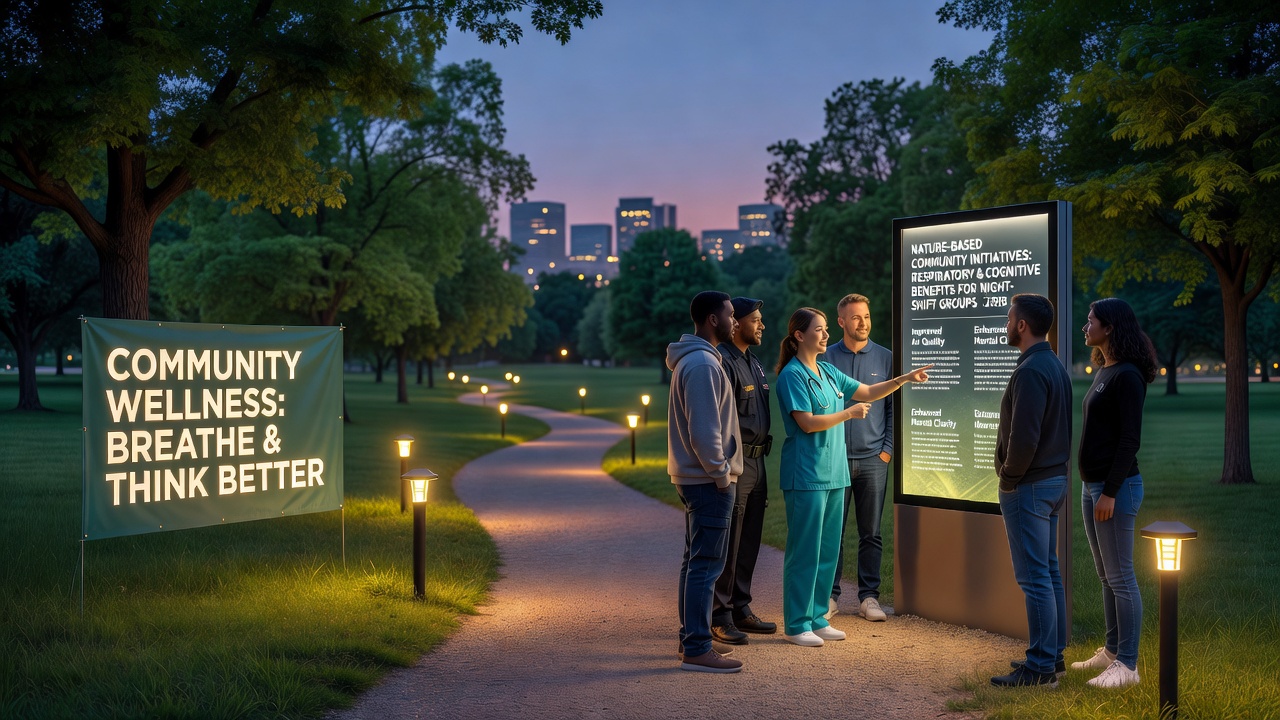
Community initiatives that incorporate natural environments have drawn attention from researchers examining health patterns in night-shift populations. Data collected across multiple regions indicate connections between regular access to green spaces and measurable shifts in respiratory function alongside cognitive performance metrics for those working overnight hours. Observers note that these programs often combine structured outdoor activities with local environmental resources, creating opportunities for participants to spend time in settings away from typical indoor work zones.
Patterns in Respiratory Health Data
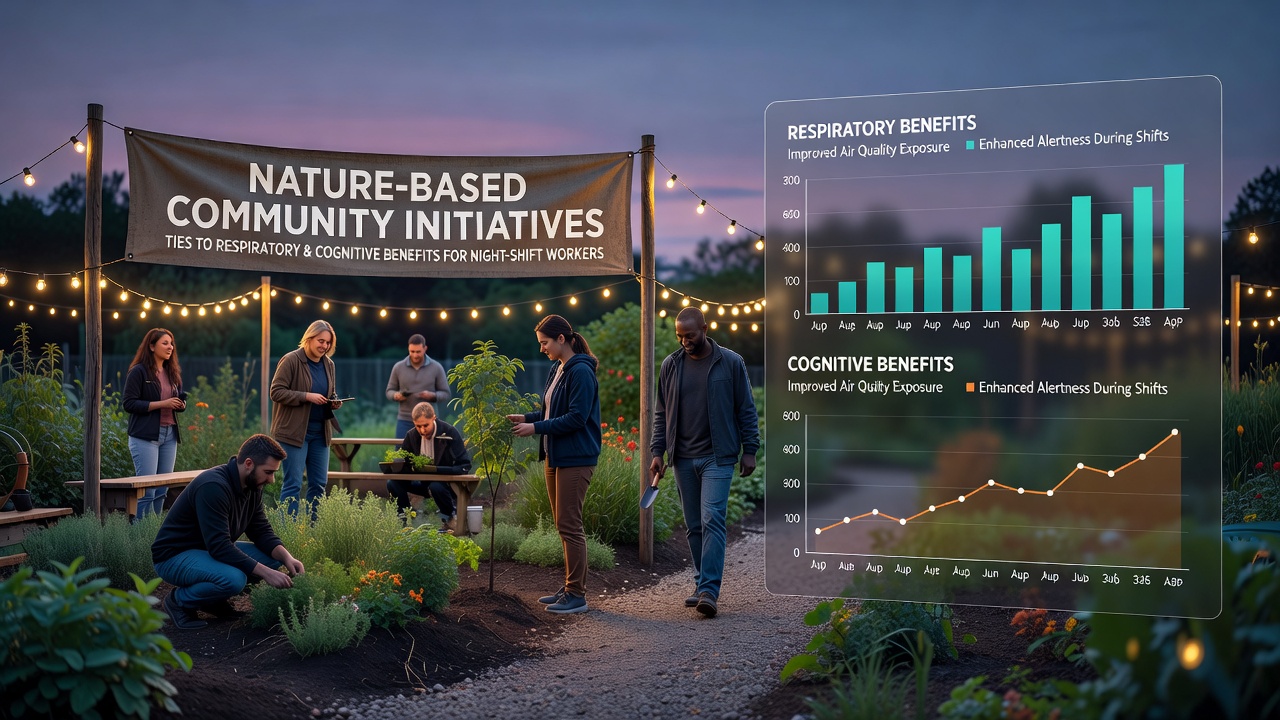
Studies tracking air quality exposure and lung function reveal that night-shift groups who engage with nature-based programs show variations in reported respiratory symptoms. Research from the World Health Organization highlights how consistent time in vegetated areas correlates with lower rates of certain breathing-related complaints, particularly when programs run for periods exceeding six months. Figures from European health agencies suggest participants experience changes in peak flow readings after integrating weekly park sessions into their routines, and these changes appear alongside adjustments in daily air intake patterns that differ from control groups without such access.
Programs in several Australian cities have incorporated guided walks through regional reserves, with monitoring data indicating reduced inflammation markers in respiratory samples from regular attendees. Those involved often report spending between two and four hours weekly in these settings, and longitudinal records show associations with fewer documented instances of upper airway irritation over twelve-month intervals.
Cognitive Performance Indicators
Evidence from university-led investigations points to links between nature immersion and sustained attention spans in shift workers. Participants in structured outdoor initiatives demonstrate steadier results on standardized memory and reaction time assessments compared to peers maintaining standard indoor recovery periods. Research published through Canadian health institutes notes improvements in executive function scores among groups that complete biweekly forest or garden sessions, with gains appearing most pronounced after eight to ten weeks of consistent involvement.
One study released in September 2026 examined cohorts across North American facilities and found measurable differences in processing speed for individuals combining nature exposure with their existing schedules. Data sets from these trials track error rates during simulated tasks, revealing patterns where exposure to natural light cycles and ambient sounds coincides with steadier performance curves during overnight testing windows.
Implementation Across Community Settings
Local organizations have developed initiatives that adapt to varying urban and suburban layouts, often partnering with municipal parks departments to secure dedicated time slots for shift workers. These efforts typically include elements such as group planting projects, trail maintenance, and seasonal observation activities that encourage repeated visits. Records from several programs show attendance rates climbing when sessions align with post-shift recovery windows, and participation logs indicate higher retention when activities emphasize social interaction alongside individual reflection periods.
Health agencies in multiple countries track these models through standardized reporting frameworks, noting that successful cases frequently involve collaboration between employers and environmental groups. Data compiled by the National Institutes of Health indicate that programs incorporating both physical movement and passive observation in green spaces yield broader participation across diverse occupational cohorts.
Geographic Variations in Outcomes
Regional differences emerge when comparing results from temperate versus arid climate zones. Initiatives in northern European locations report stronger associations with cognitive endurance during extended monitoring periods, while programs in Mediterranean areas document more consistent respiratory metric shifts tied to pollen and humidity factors. Observers tracking these variations emphasize the role of native vegetation types and seasonal daylight patterns in shaping participant experiences.
Case examples from New Zealand community projects illustrate how coastal reserve access integrates with night-shift schedules, producing data sets that align with broader international findings on combined respiratory and cognitive markers. These localized efforts often adjust timing to account for tidal or weather conditions, yet maintain core structures that support repeatable engagement.
Conclusion
Available records from ongoing programs continue to map connections between nature-based community efforts and specific health indicators in night-shift populations. Researchers maintain focus on expanding sample sizes and refining measurement tools to clarify these associations across additional demographic segments. Ongoing data collection through established health networks provides the foundation for future analysis of how such initiatives fit within broader occupational wellness frameworks.