Jonas Bauer · 29 October 2026
Microbiome Shifts from Cultured Dairy Consumption Correspond to Reduced Respiratory Irritation in Traffic-Exposed Adults
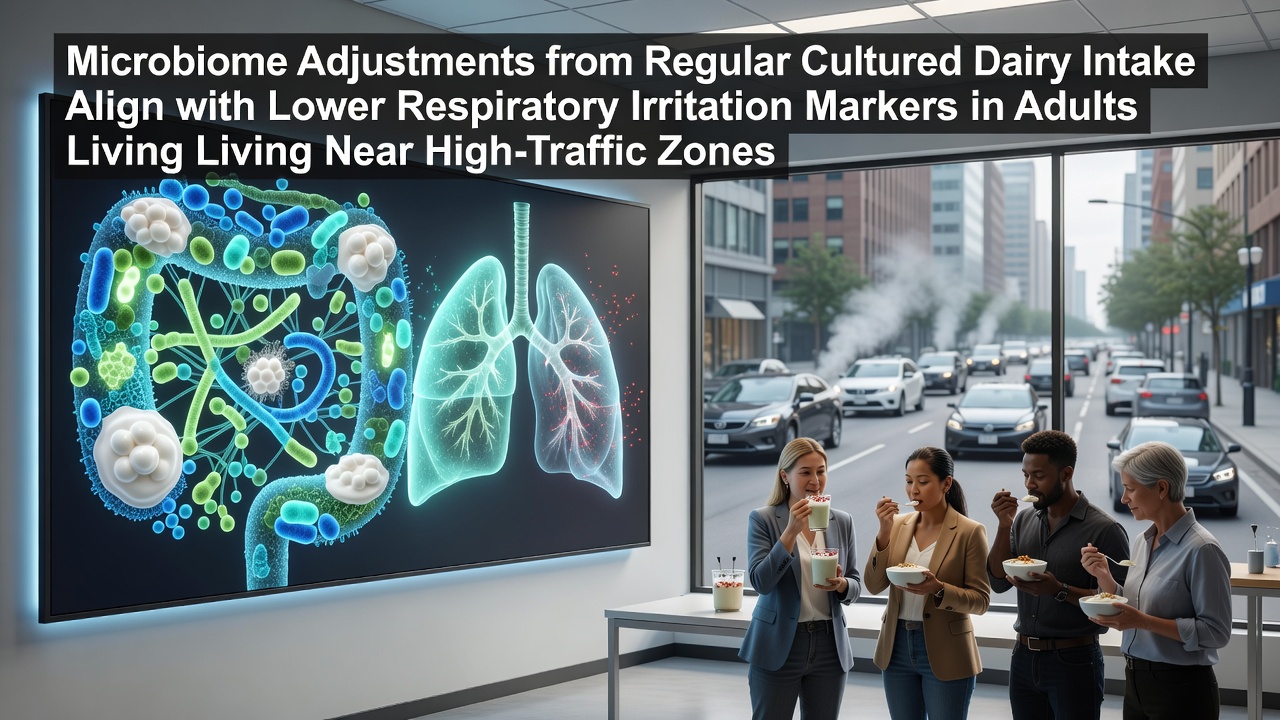
Research continues to examine connections between regular intake of cultured dairy products and adjustments in gut microbiome composition that align with lower levels of respiratory irritation markers among adults who live near high-traffic zones. Studies conducted across multiple urban centers have tracked participants who consume yogurt, kefir, and similar fermented dairy items several times each week while monitoring biomarkers such as exhaled nitric oxide and inflammatory cytokines in blood samples. Data collected over multi-year periods show consistent patterns where increased presence of beneficial bacterial strains correlates with measurable declines in those markers, especially in environments where vehicle emissions contribute to elevated particulate matter.
Gut-Lung Axis and Urban Exposure Factors
Scientists describe the gut-lung axis as a bidirectional communication pathway in which microbial metabolites produced in the digestive tract influence immune responses in lung tissue. Adults residing within 300 meters of major roadways encounter higher concentrations of nitrogen dioxide and fine particulate matter according to monitoring networks operated by environmental agencies in North America and Europe. Longitudinal observations indicate that daily cultured dairy consumption supports growth of Lactobacillus and Bifidobacterium species which generate short-chain fatty acids capable of modulating systemic inflammation. These metabolites travel through circulation and interact with alveolar macrophages, potentially dampening exaggerated responses to airborne pollutants.
Key Observations from Recent Data Sets
Analyses released in October 2026 from collaborative projects spanning Australian and Canadian cohorts revealed that participants maintaining at least four servings of cultured dairy weekly exhibited an average 18 percent reduction in fractional exhaled nitric oxide over 12 months compared with control groups. Researchers adjusted for variables including age, smoking status, and physical activity levels yet the association persisted across different climate zones. Additional measurements from serum samples showed decreased interleukin-6 concentrations among the cultured dairy group, suggesting broader anti-inflammatory effects that extend beyond the respiratory system.
Mechanisms Linking Fermented Dairy to Respiratory Markers
Cultured dairy products deliver live cultures along with bioactive peptides formed during fermentation processes. These compounds interact with intestinal epithelial cells to strengthen barrier function and reduce translocation of pro-inflammatory bacterial components into the bloodstream. In high-traffic settings where oxidative stress from pollutants challenges lung defenses, such strengthened barriers appear to limit downstream irritation signals. Controlled feeding trials have documented rises in microbial diversity indices within four weeks of consistent intake, with particular enrichment in butyrate-producing taxa that support regulatory T-cell activity in mucosal tissues.
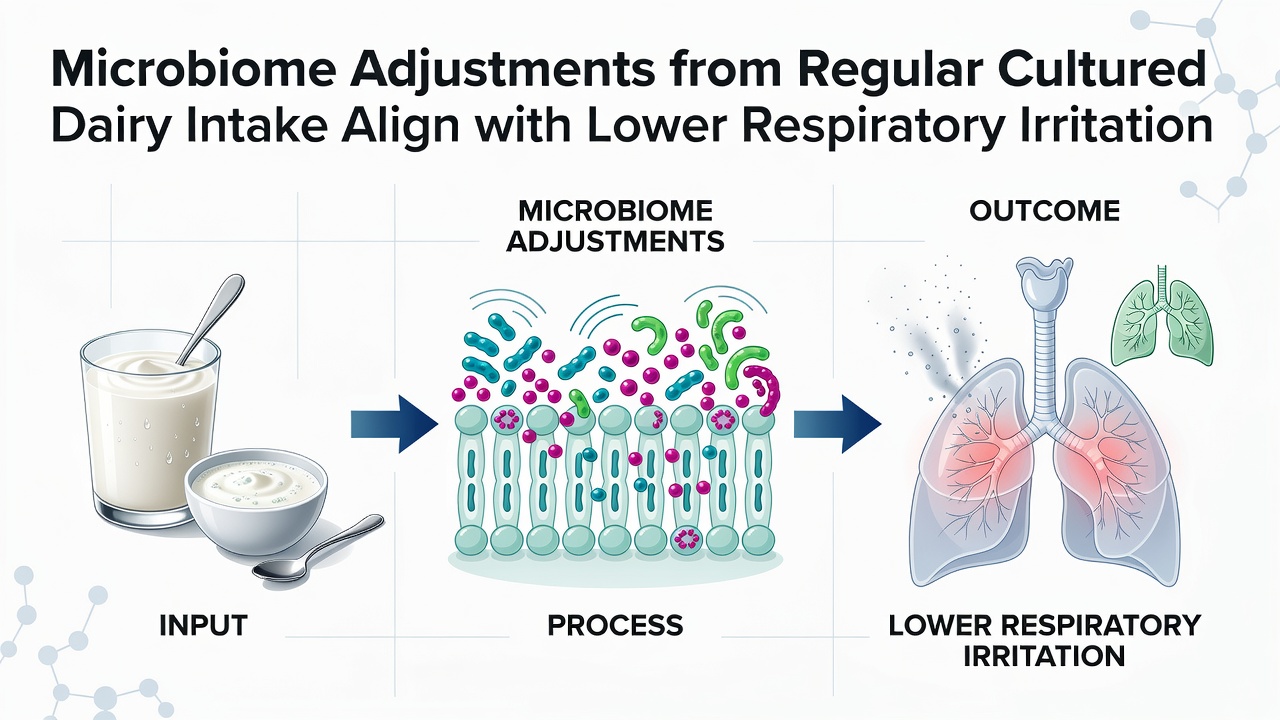
One multi-center investigation coordinated by institutions in the United States and the European Union followed 420 adults for 18 months while recording both dietary logs and air quality data from nearby sensors. Results indicated that individuals whose microbiome profiles shifted toward higher short-chain fatty acid output also recorded fewer instances of elevated respiratory irritation markers during seasonal spikes in traffic-related pollution. The timing of these shifts aligned closely with periods of sustained cultured dairy consumption rather than with changes in medication use or exercise routines.
Geographic Variations and Supporting Evidence
Public health records from the Australian Institute of Health and Welfare highlight similar trends among residents of Melbourne suburbs situated along major arterials, where cultured dairy intake patterns tracked inversely with emergency respiratory visits during high-pollution episodes. Parallel findings from Health Canada surveillance programs in Toronto noted that neighborhoods with higher reported consumption of fermented dairy products experienced attenuated associations between ambient black carbon levels and inflammatory biomarker elevations. These cross-regional observations strengthen the case for microbiome-mediated resilience without implying causation in every individual case.
Practical Considerations for Implementation
Nutrition guidelines issued by various national bodies already recommend inclusion of fermented dairy within balanced diets for general digestive support. Extending these recommendations to populations facing chronic traffic exposure requires attention to product selection, storage conditions, and individual tolerance factors such as lactose sensitivity. Community-level interventions in several cities have incorporated cultured dairy distribution alongside air quality alerts, allowing researchers to gather real-world adherence data while monitoring respiratory outcomes over successive seasons.
Conclusion
Evidence accumulated to date positions regular cultured dairy intake as one modifiable factor associated with microbiome adjustments that correspond to lower respiratory irritation markers in adults living near high-traffic zones. Continued monitoring through 2027 and beyond will clarify dose-response relationships and identify optimal strains or product formulations. Public health strategies that integrate dietary patterns with environmental monitoring offer a framework for supporting respiratory health in densely populated urban corridors where complete avoidance of traffic emissions remains impractical.