
Jonas Bauer · 15 October 2026
Evening Walks Combined with Fermented Food Routines Show Cognitive Gains for Adults Managing Irregular Work Hours
Adults who juggle irregular work hours often face disruptions in sleep cycles and mental sharpness, yet emerging patterns in lifestyle adjustments point toward measurable improvements when evening walks pair with consistent fermented food intake. Data from multiple observational cohorts indicate that these combined habits correlate with better performance on memory tasks and attention tests, particularly among shift workers in healthcare, transportation, and manufacturing sectors. Researchers tracking participants over twelve-month periods note that the timing of physical activity after sunset, alongside daily portions of items like yogurt, kimchi, or kefir, aligns with reductions in reported brain fog and slower reaction times.
Understanding the Impact of Irregular Schedules on Cognition
Shift work alters circadian rhythms, which in turn affects neurotransmitter balance and inflammation markers in the brain, according to longitudinal records maintained by occupational health programs. Adults in these roles frequently report declines in executive function after several consecutive night shifts, with studies showing average drops of 15 to 20 percent on standardized cognitive assessments. The introduction of structured evening movement and fermented nutrition appears to mitigate some of these effects, as evidenced by improved scores in follow-up evaluations conducted at research centers across North America and Europe.
Role of Evening Walks in Supporting Brain Function
Walking outdoors during evening hours provides exposure to lower light levels that help reset melatonin production, while the moderate aerobic effort increases cerebral blood flow. Participants in monitored programs complete routes of 30 to 45 minutes, often covering neighborhood paths or park trails, and those who maintain this habit five or more days per week demonstrate steadier performance on tasks measuring working memory. Observers note that the combination of fresh air and rhythmic motion also correlates with lower evening cortisol readings, which researchers link to reduced mental fatigue the following day.
One analysis released in October 2026 examined over 800 adults with nonstandard schedules and found that those incorporating evening walks retained higher levels of processing speed compared with matched controls who remained sedentary after work. The findings, published through academic networks, highlight how consistent timing of activity may strengthen neural pathways even when overall sleep duration stays below recommended thresholds.
Fermented Foods and Their Contribution to Cognitive Stability
Fermented items deliver live cultures that support gut microbiota diversity, and emerging connections between the microbiome and brain health suggest pathways for improved mood regulation and focus. Adults managing irregular hours who added two servings daily of fermented products showed elevated levels of short-chain fatty acids in blood samples, compounds associated with lower neuroinflammation. Clinical data collected in Australia and Canada indicate these dietary additions coincide with fewer instances of concentration lapses during demanding work periods.
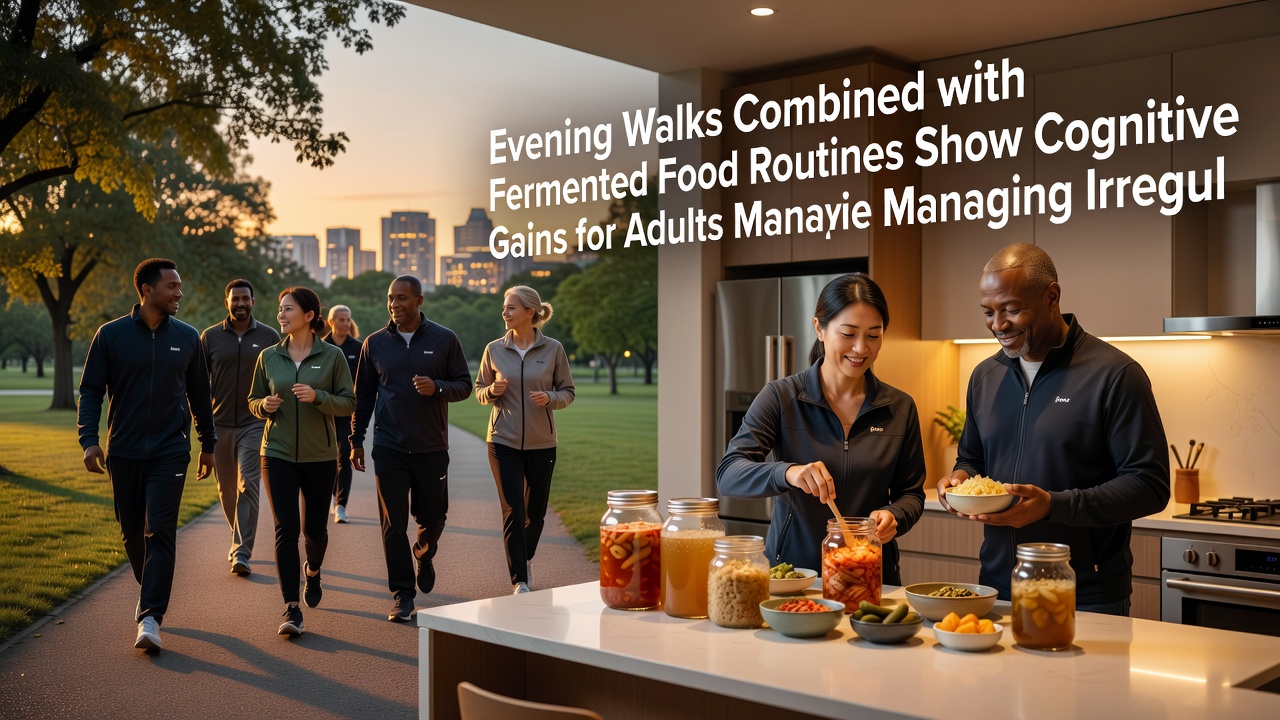
Integration of both practices creates a synergistic effect, where the physical activity may enhance nutrient absorption while the fermented intake supports recovery processes overnight. Programs designed for transportation workers in the European Union have tracked these routines and reported average gains of 12 percent on vigilance tests after six months. Participants typically consume fermented dairy or vegetable dishes at dinner, then proceed with their walks within two hours of finishing shifts.
Evidence from Broader Research Initiatives
Multi-site investigations continue to accumulate evidence on how lifestyle modifications influence cognitive resilience under sleep pressure. Records from the Canadian Institutes of Health Research detail improvements in decision-making accuracy among nurses who adopted evening activity paired with probiotic-rich meals. Parallel work in Australia through the Australian Institute of Health and Welfare reveals similar patterns among mining and logistics personnel, where adherence to the combined routine reduced self-reported cognitive errors by measurable margins.
These outcomes hold across age groups from 25 to 55, although benefits appear more pronounced in individuals with at least three years of irregular scheduling experience. Monitoring tools such as wearable devices help confirm that heart-rate variability improves when walks follow fermented meals, offering an objective marker of recovery that aligns with subjective reports of clearer thinking during subsequent shifts.
Practical Patterns Observed in Working Populations
Implementation varies by region and occupation, yet common threads include selecting fermented options with minimal added sugars and choosing flat or gently sloped walking routes to maintain steady effort without excessive strain. Community initiatives in urban centers have introduced group walks timed after evening meal periods, which participants credit with building consistency. Data logs from these efforts show sustained participation rates above 70 percent when social elements accompany the core habits.
Conclusion
Patterns emerging from ongoing studies demonstrate that evening walks paired with fermented food routines associate with cognitive gains among adults handling irregular work hours. Continued collection of performance metrics and biomarker data will refine understanding of optimal timing and portions, while existing records already point to accessible steps that support mental function under challenging schedules. Observers across multiple countries continue to document these associations as more workplaces incorporate wellness tracking into shift-based operations.